What is Generative AI? A Simple Guide for Beginners
Artificial intelligence (AI) has revolutionized the way we live, work, and communicate. One of the most intriguing advancements in this field is generative AI. From writing articles to writing code to creating lifelike images, generative AI is creating a plethora of new opportunities.
Everything you need to know about generative artificial intelligence (AI) and its operation will be covered in this beginner’s guide.
This introductory guide will provide you with all the information you require if you’ve ever wondered what generative artificial intelligence actually is and how it functions in plain English.
What is Generative AI?
Generative AI (short for Generative Artificial Intelligence) is a type of AI for generating completely new content)—text, pictures, film excerpts, music, or even full virtual realities.
Traditional AI is primarily observing what is there and guessing or categorizing it, while Generative AI is creating an entirely new thing.
In simple terms:
Traditional AI = “Is it a cat or a dog?” (classification).
Generative AI = “Produce a credible likeness of a cat wearing spectacles.”
How Does Generative AI Work?
Generative AI employs sophisticated machine learning algorithms which are learned over large datasets. These machine learning algorithms learn patterns, compositions, associations in those datasets and produce novel content based upon what is learned.
Two of the most common are:
Neural Networks – The basis for AI which is a replica of how a human mind handles information.
Generative Models – Custom-designed algorithms for generating fresh knowledge, for example:
GANs (Generative Adversarial Networks): A game between two machine learning models—one generates fake content, while the other checks if it looks real.
Transformers (like GPT): These are language models trained to understand and generate human-like text.
Examples of Generative AI in Everyday Life
Artificial intelligence surrounds you even when you are not aware of it. There are certain daily applications as below:
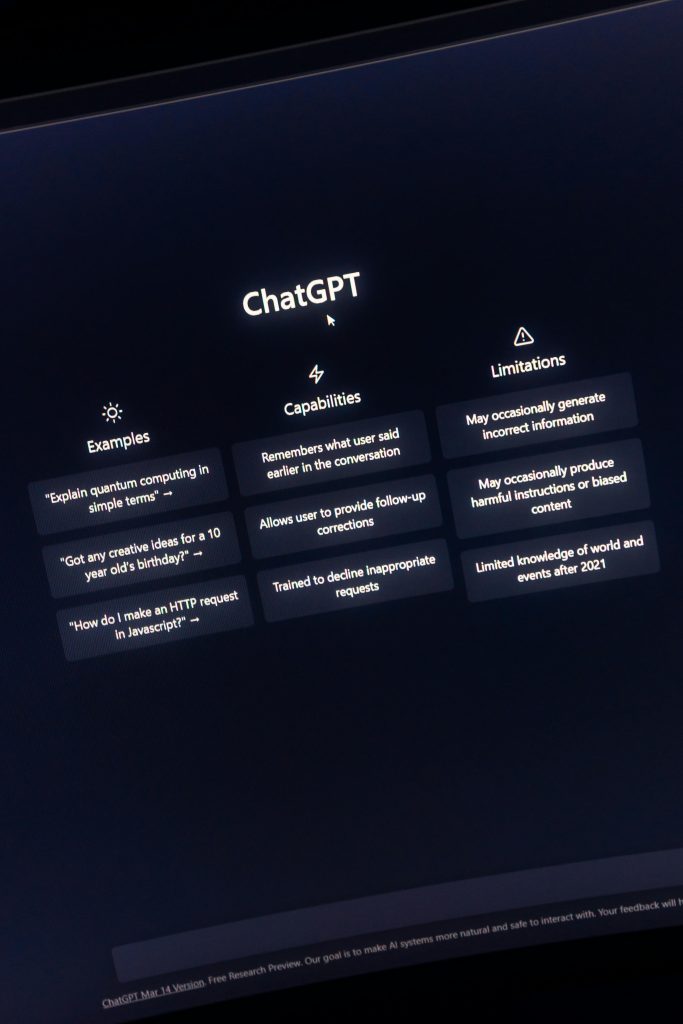
Chatbots & Virtual Assistants – These are programs which make human-like chats.
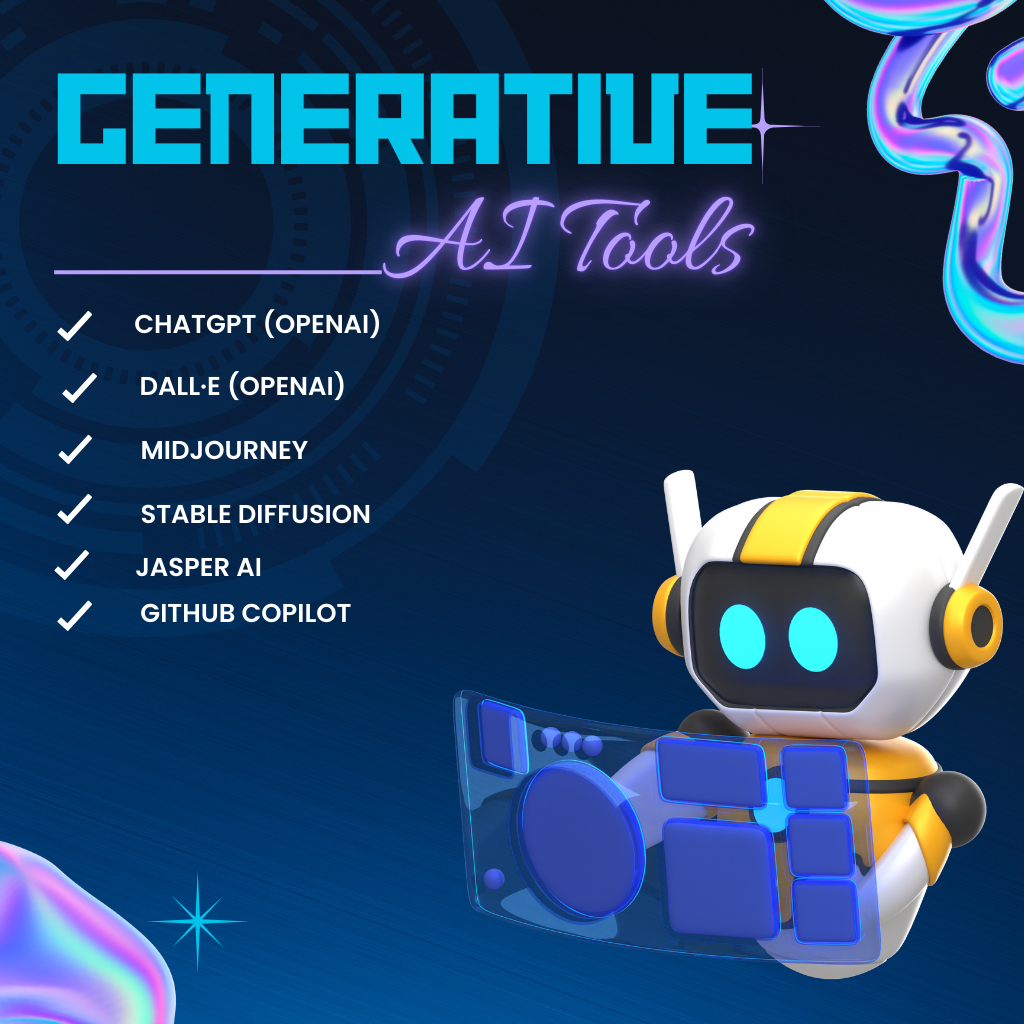
Image Creation – Computer programs such as DALL·E, MidJourney, and Stable Diffusion produce realistic paintings and images.
content creation – Blog posts, social media posts, and promotional materials are also created using automatic software.
Video & Music Creation – AI composes songs, edits videos, or generates new voices.
Code Generation – There are available software programs like GitHub Copilot for creating codes.
Healthcare Innovations – AI generates new molecules or predicts possible drug structures.
Benefits of Generative AI
Generative artificial intelligence is picking up steam because it offers a lot in creativity, productivity, and efficiency.
✅ Principal Benefits:
Creativity Booster – Encourages design professionals, artists, and authors to produce fresh thoughts.
Time-Saving – Automates repetitive tasks such as content creation, abstracting/summarizing, or photo editing.
Cost-Effective – Minimizes utilization for costly resources since it creates content in real-time.
Personalization – Makes personalized recommendations, advertising, and learning.
Industry Innovation – Aids healthcare, education, entertainment, and technology with distinctive uses.
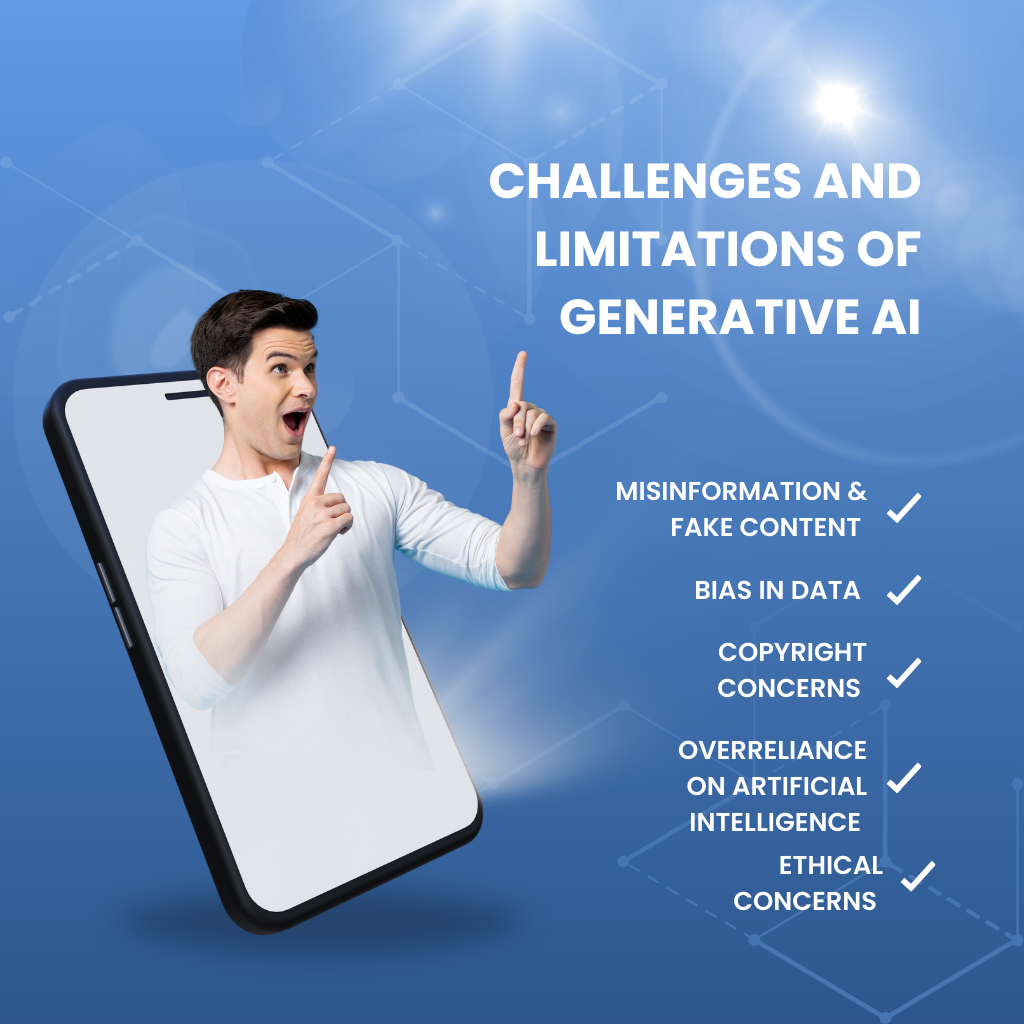
Challenges and Limitations of Generative AI
Just like any technology, there are some risks and demerits with Generative AI. New users should consider both sides before putting it into use.
⚠️ Major Issues
Misinformation & Fake Content – Deepfakes & Fake News can be created using AI.
Bias in Data – Even though training data is biased in certain cases, it also causes biased results.
Future: Huge potential in healthcare, education, and business.
Final Thoughts
AI is not a flash word—but it’s a disrupter that is changing industry and creativity as we know it. To start, familiarity with its fundamentals is one way in Unlocking its vast potential.
If one is a learner, a businessman, or a curious learner, one can also have a Generative AI as a creative partner. This should, however, be responsibly, ethically, and equally in sync with human creativity used.
Key Takeaway
Generative AI is like having a creative assistant powered by data and algorithms—it can create, suggest, and innovate, but the final human touch will always remain valuable.

Content is good